

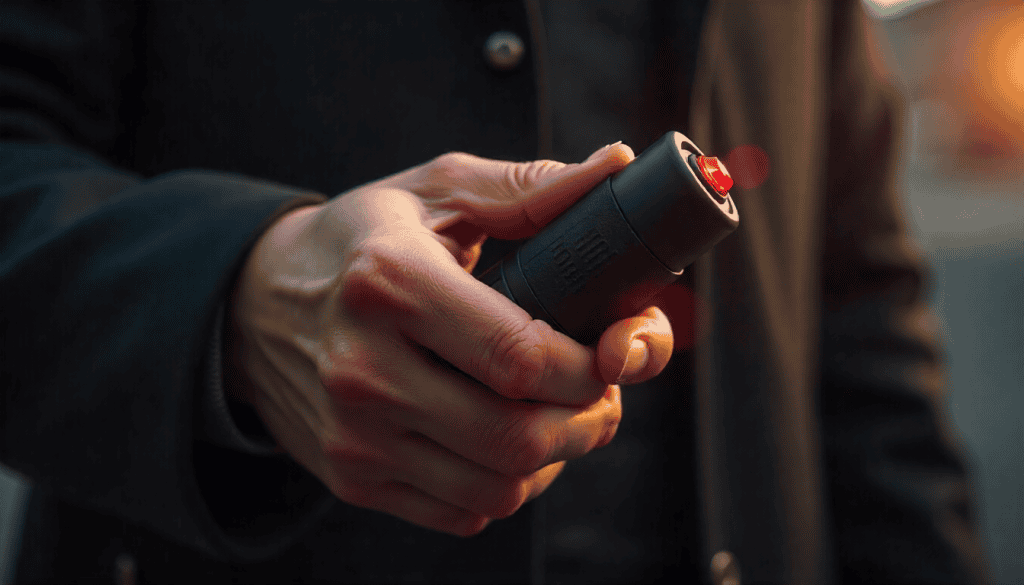
In 2025, a nationwide survey revealed that 7 out of 10 women in urban areas feel unsafe walking alone at night. That’s not a small number—it’s a wake-up call.
Safety isn’t just about courage. It’s about being prepared. And preparation today doesn’t always mean years of training or carrying intimidating weapons. Sometimes, it’s as simple as having the right tool in your pocket—small, discreet, and powerful enough to change the outcome of a dangerous situation.
That’s where safe defense gadgets come in.
The Reality of Walking Alone
Walking alone is a normal part of life. You might be heading home after a late shift, jogging through the park, or simply running an errand. Yet for many, those moments spark unease.
Unpredictability is the problem. Streets are quieter. Lighting is patchy. Strangers appear out of nowhere. Your heart rate rises—not because you’re paranoid, but because your instincts remind you that vulnerability exists.
Here’s the truth: it’s not about living in fear, but about acknowledging risks and being ready for them.
What Makes Safe Defense Gadgets Different?
When people hear “self-defense,” they often imagine combat skills or heavy-duty weapons. But gadgets offer something different: accessibility.
- Non-lethal protection → These self-defense tools are designed to deter and disable, not to cause permanent harm.
- Ease of use → No martial arts black belt required. A press of a button, a pull of a pin, or a quick spray is enough. Pepper spray, for example, can reach up to 10 feet and instantly disable a threat. Small, discreet, and easy to carry — it’s one of the most reliable tools for quick protection.
- Portability → They fit in your bag, your pocket, or even on your keychain.
That’s the beauty of them. Anyone can carry them. Anyone can use them.
Types of Safe Defense Gadgets That Actually Work
1. Personal Safety Alarms
Think small device, massive impact. With a sound that can reach 120–130 decibels (about as loud as a jet engine on takeoff), a personal alarm shocks would-be attackers and attracts immediate attention. It’s fast, it’s easy, and it requires zero training.
2. Pepper Spray
Still one of the most trusted tools worldwide. Compact and discreet, pepper spray irritates the eyes and lungs, giving you a crucial escape window. The key is knowing how to use it quickly. Keep it somewhere accessible, not buried at the bottom of your bag.
3. Tactical Flashlights
More than just light. A tactical flashlight is bright enough to disorient an attacker and tough enough to be used as a striking tool if needed. Bonus: you’ll always have it handy during power outages too.
4. Keychain Gadgets
From kubotans (small stick-like tools) to discreet cat-shaped keychains with pointed ears, these gadgets blend into your everyday items but pack power in emergencies.
5. Stun Devices
Flashlight stun guns or palm-sized stun gadgets create a powerful shock. They require close contact, but their intimidating crackle and visible spark alone can be a strong deterrent.
The Psychology of Preparedness
Carrying a defense gadget is not about paranoia. It’s about psychology.
When you know you’re prepared, your body language changes. You walk more confidently. You look more aware. And attackers—who often seek vulnerable targets—notice that. Confidence itself is often your first layer of defense.
As the old saying goes: “An ounce of prevention is worth a pound of cure.” Except here, prevention comes in the form of something as small as a keychain.
How to Choose the Right Gadget for You
Not all tools fit everyone. The “best” gadget depends on your lifestyle.
- For commuters → A personal alarm or compact pepper spray is easy to carry on crowded transport.
- For joggers → Wristband pepper spray or a small flashlight works best.
- For late-night workers → A stun device or tactical flashlight adds reassurance when walking through dark parking lots.
- For students → A discreet keychain gadget can be carried without drawing attention.
The key is matching the tool to your daily routine.
Tips for Using Safe Defense Gadgets Effectively
Buying one isn’t enough. What matters is knowing how to use it when you need it most.
- Practice in a safe space. Learn how to activate it quickly. Muscle memory is vital under stress.
- Keep it accessible. Don’t toss it deep in your bag—clip it to your keys or belt.
- Stay aware. Gadgets are tools, not guarantees. Combine them with alertness and smart decision-making.
- Know the laws. Some regions restrict certain gadgets. Always double-check local regulations.
Beyond Gadgets: A Holistic Approach to Safety
Defense gadgets are powerful tools, but they’re not the whole solution. Combine them with other safety strategies:
- Walk in well-lit areas whenever possible.
- Inform someone of your route when traveling at night.
- Trust your instincts. If something feels off, it probably is.
- Consider taking a short self-defense class for added skills.
Gadgets give you confidence, but awareness completes the circle.
The Bottom Line
Walking alone will never feel completely risk-free. But it doesn’t have to feel terrifying either. Safe defense gadgets don’t just protect your body—they protect your peace of mind.
They’re not about violence. They’re about choices. They’re about walking with confidence instead of hesitation.
And when you ask yourself: “Should I be worried while walking alone?” remember this—preparedness is power. For me? I’d rather carry that power in my pocket every single time.
FAQs About Safe Defense Gadgets
1. Are self-defense gadgets legal everywhere?
Not always. The legality of items like pepper spray or stun devices depends on your location. Some cities allow them freely, while others require restrictions on size, strength, or type. Always check your local laws before purchasing.
2. Which self-defense gadget is best for beginners?
For beginners, personal safety alarms are an excellent choice. They’re simple, effective, and require no training. Pepper spray is another good option, provided you practice using it quickly and safely.
3. How do I carry a defense gadget discreetly?
Choose items designed to blend with daily essentials. Keychain tools, compact pepper sprays, or wristband alarms are lightweight and discreet. The goal is to keep it handy without drawing unnecessary attention.
4. Do I need training to use these gadgets?
Most gadgets are designed for quick, instinctive use. However, a little practice goes a long way. Spend a few minutes familiarizing yourself with how the gadget activates. This ensures you won’t fumble under stress.
5. What if I panic and forget to use it?
It’s natural to feel overwhelmed in high-stress moments. That’s why practicing ahead of time is crucial. Even rehearsing once or twice builds muscle memory, helping your body respond automatically when your mind freezes.
6. Can safe defense gadgets completely guarantee my safety?
No gadget can offer a 100% guarantee. They are tools to give you time and confidence, but awareness and smart decision-making remain just as important. Think of them as part of a complete safety plan—not the only solution.