
Personal safety is something we often overlook until a moment of danger makes it impossible to ignore. Whether you’re commuting, walking your dog at night, running errands, or traveling, having the right self-defense products can mean the difference between vulnerability and confidence. In 2026, the range of non-lethal self-defense tools and personal protection devices has never been broader, making it easier for anyone—regardless of strength or training—to protect themselves effectively.
In this guide, I’ll walk you through 15 must-have personal safety tools, explain how they work, where they’re most effective, and give tips for selecting the right combination for your lifestyle.
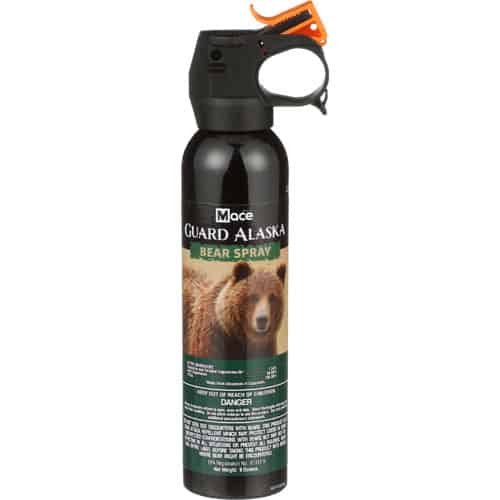
1. Pepper Spray and Mace Pepper Spray
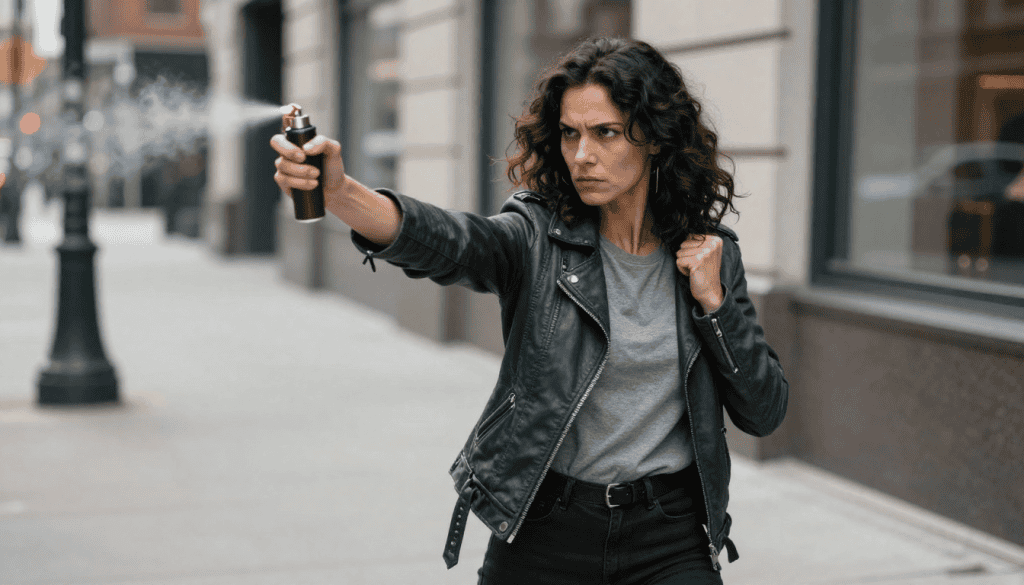
Pepper spray remains one of the most widely recognized non-lethal self-defense tools. It irritates the eyes, nose, and skin, causing temporary blindness, coughing, and intense burning—enough to give you time to escape.
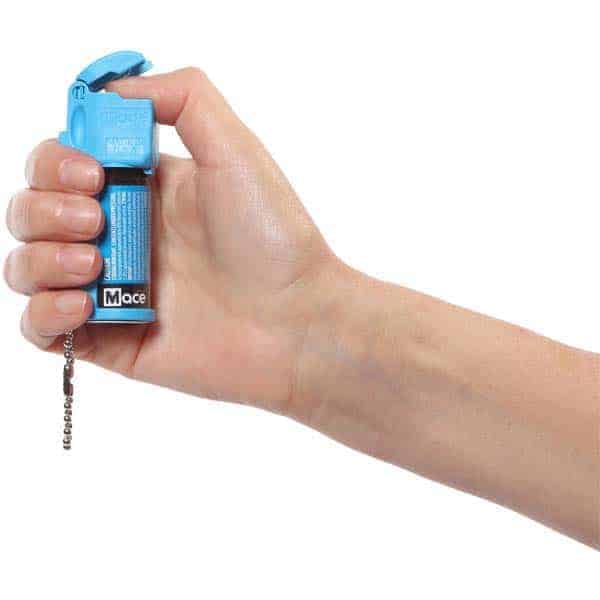
The Mace brand pepper spray is especially popular because it comes in multiple forms, from small keychain versions to larger canisters, making it suitable for both beginners and experienced users. You can carry pepper spray in your purse, on your belt clip, or even in your backpack for quick access.
Best use: Outdoor settings, crowded areas, or when a quick reaction is necessary.
2. Pepper Gel
For indoor use or windy conditions, pepper gel is often more effective than traditional spray. Its sticky consistency reduces blowback and allows more precise targeting of vulnerable areas like the eyes or face.
Best use: Apartments, offices, and crowded indoor spaces.
3. Stun Guns
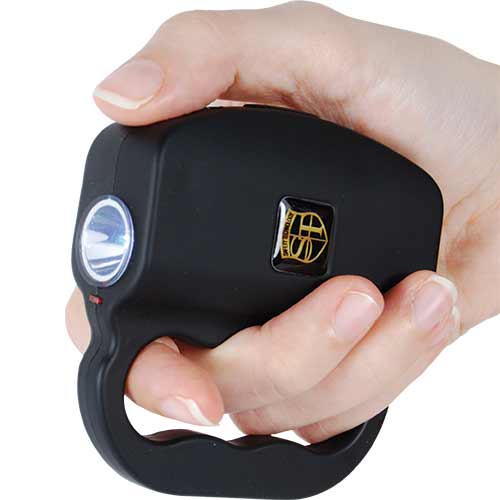
Stun guns are an excellent choice for those who prefer a force multiplier in close-range situations. They deliver a high-voltage shock that temporarily incapacitates an attacker, giving you time to run.
Popular models: Handheld stun guns, flashlight stun devices, and contact stun devices. Stun guns are compact, portable, and easy to carry for everyday use.
Best use: Close-range encounters where you need to create distance quickly.
4. Kubotans
A kubotan is a small, rod-like tool designed to inflict pain and leverage against an attacker’s pressure points. It’s ideal for those who want something discreet yet effective. Even without training, you can use a kubotan to target sensitive areas such as wrists, hands, or shoulders to break free from a grab.
Best use: Tight spaces where other tools may not be practical.

A tactical pen doubles as a writing tool and a self-defense weapon. Its sturdy metal construction allows it to be used for striking or breaking glass in an emergency. Many tactical pens also have ergonomic grips, making them easy to carry and deploy.
Best use: Office environments, travel, or everyday carry where discretion is important.

Sometimes the best defense is drawing attention, and personal alarms do just that. They emit a loud, piercing sound that can disorient an attacker and alert nearby people to your situation.
Best use: Walking alone at night, commuting, or in crowded public spaces.

7. Safety Lights
Safety lights are versatile tools that serve dual purposes. They can be used as pet safety lights, signaling devices, or self-defense flashlights. Many models also double as stun devices, giving you both illumination and protection in one compact tool.
Best use: Evening walks, jogging, or working in low-light areas.
8. Security Scanners
If your personal or business safety is a concern, security scanners are invaluable. Ideal for bars, nightclubs, schools, airports, and events, these tools help detect metal objects or weapons before a dangerous situation arises.
Best use: Event security, private businesses, or personal protection in high-risk environments.
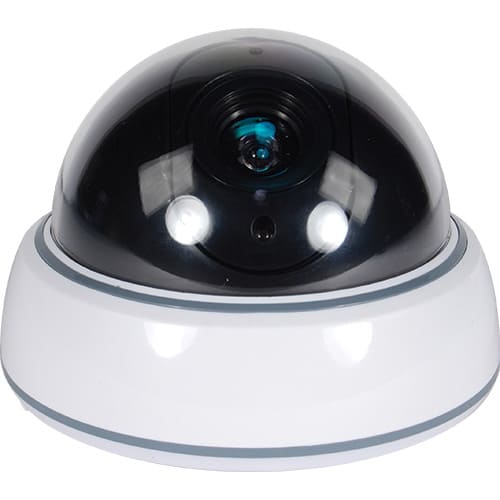
9. All-In-One and Dummy Cameras
Surveillance cameras are a proactive approach to safety, allowing you to monitor your home, children, pets, or property. Dummy cameras provide a cost-effective alternative, deterring potential intruders by giving the appearance of active monitoring.
Best use: Homes, offices, and small businesses where visual deterrence is as important as actual surveillance.
10. Slingshots and Throwing Stars
While slingshots and throwing stars are not typical self-defense tools for beginners, they are effective for skill-based personal protection. Slingshots can deliver high-velocity projectiles, and throwing stars provide a focused striking option for trained users. Always ensure safety and legal compliance when using these items.
Best use: Recreational self-defense practice or controlled outdoor environments.
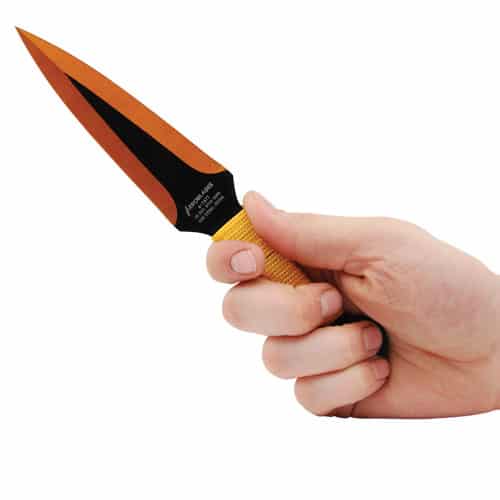
11. Knives
Knives are a serious personal protection tool, and options like folding knives, butterfly knives, automatic knives, or disguised knives are available. For most people, a compact folding or tactical knife provides the right balance of accessibility and control.
Best use: Everyday carry in areas where legal and practical, combined with other non-lethal tools.
Telescopic batons give you extended reach, making it easier to defend yourself against larger attackers. They come in sizes from 12” to 26” and can be deployed quickly. Even with minimal training, a baton can create leverage and distance, giving you a crucial advantage in close-range confrontations.
Best use: Home defense, outdoor protection, and law enforcement training scenarios.

13. Self-Defense Keychains
Compact and discreet, self-defense keychains combine convenience with protection. Many include features like mini kubotans, small pepper sprays, or alarms. They’re perfect for everyday carry without drawing attention.
Best use: Keychains, purses, backpacks, or pockets for quick access during emergencies.
For those who encounter aggressive animals while jogging, hiking, or walking pets, animal repellents are essential. These can be electronic deterrents or specially formulated sprays designed to keep you safe from dogs, coyotes, or other wildlife.
Best use: Outdoor activities, urban parks, and remote areas.
15. Home Alarms and Diversion Safes
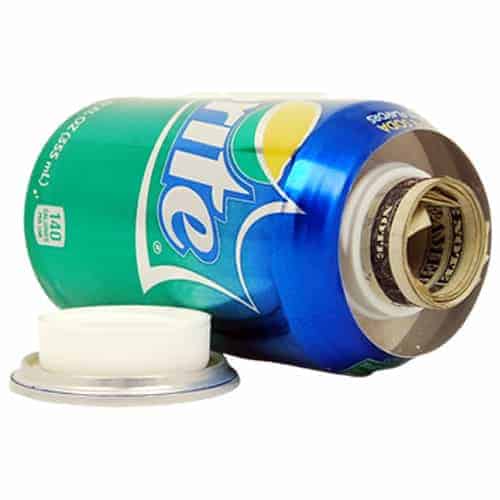
Protecting your home and valuables is a critical part of personal safety. Home alarms—including motion, window, and glass-break alarms—alert you to intrusions. Diversion safes hide valuables in plain sight, reducing the risk of theft.
Best use: Residences, apartments, and small businesses.
Choosing the Right Combination
With so many options, selecting the right self-defense products can feel overwhelming. Here’s how I recommend approaching it:
- Assess your environment: Urban vs. rural, indoor vs. outdoor, crowded spaces.
- Understand your abilities: Choose tools you can carry and deploy confidently.
- Layer your defense: Combine tools—like pepper spray with a personal alarm—to increase effectiveness.
- Check legality: Make sure your chosen products comply with local laws in places like Tomball or South Brisbane.
For most beginners, a combination of pepper spray or gel, a personal alarm, and a tactical pen or kubotan provides a strong, non-lethal defense toolkit.
Tips for Safe and Effective Use
- Practice regularly: Familiarity under stress is key.
- Carry consistently: Keep tools in the same location daily for quick access.
- Target vulnerable areas: Eyes, nose, throat, groin, and hands.
- Focus on escape: The goal isn’t to fight—it’s to create distance and get help.
Final Thoughts
Safety is about preparation, awareness, and confidence. The best non-lethal self-defense tools empower anyone to defend themselves, regardless of size, strength, or training. Whether you rely on pepper spray, stun guns, personal alarms, or kubotans, combining tools with smart planning ensures you can protect yourself effectively in 2026.
FAQs About Must-Have Personal Safety and Self-Defense Tools
1. Are pepper sprays and gels legal in Tomball?
Yes, but they must meet local concentration limits and can only be used for self-defense. I always check the laws first to avoid fines or legal issues.
2. Can seniors or smaller individuals use these tools effectively?
Absolutely. Non-lethal self-defense tools like pepper spray, stun guns, and personal alarms are designed for anyone, regardless of size or strength. The key is accessibility and familiarity.
3. How do I choose between a stun gun and pepper spray?
It depends on your environment and comfort. Stun guns are better for close-range encounters, while pepper spray works well outdoors or for distance.
4. Do tactical pens really work for self-defense?
Yes, they’re strong, compact, and easy to carry. I use mine for striking or breaking glass, and it doubles as a normal pen—perfect for everyday carry.
5. How often should I practice using my self-defense tools?
Once or twice a month is ideal. The goal is muscle memory so you can deploy your tools quickly under stress.
6. Can personal alarms actually deter attackers?
Yes, the loud noise can startle an attacker and attract attention. I always carry one in my bag or on my keychain for crowded areas or evening walks.