

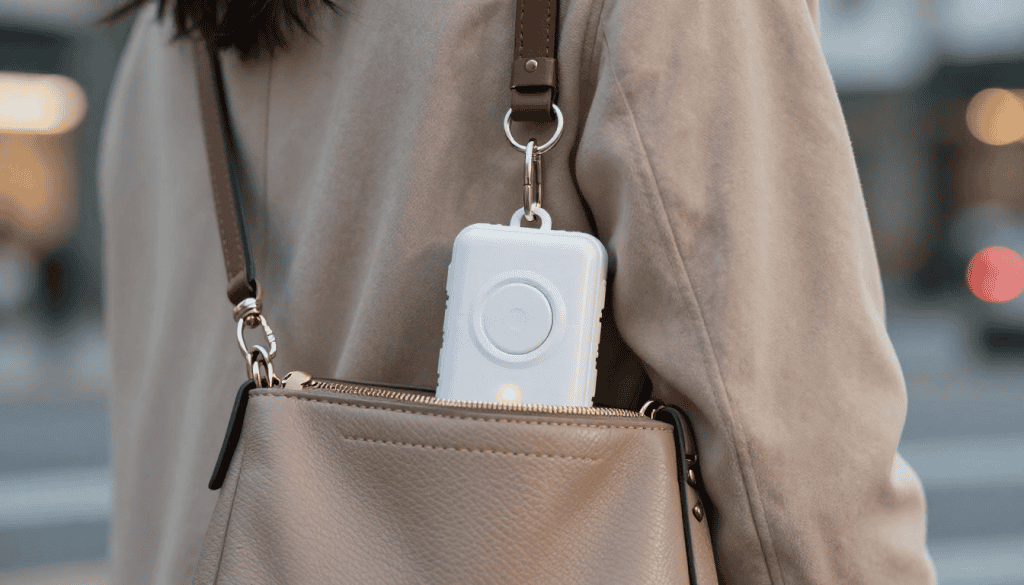
Personal alarms are one of the easiest, most effective non‑lethal self‑defense tools available. Compact, intuitive, and legal in most places, they don’t require training — just pull, press, or press-and-hold and a loud siren draws attention and often ends a dangerous situation. If you’re building an everyday carry setup for a teen, a woman who walks alone at night, or a senior who wants independence and confidence, a personal alarm should be at the top of your list.
Why Personal Alarms Work (and Why They’re So Popular)
- Instant attention: Alarms typically emit 100–130 dB — loud enough to startle an attacker and alert nearby people.
- No skill required: Unlike pepper spray or stun devices, you don’t need training. Activation is immediate.
- Legal & low-risk: Considered non‑lethal emergency alert devices; legal in most public settings where other tools may be restricted.
- Portable: Keychain size, clip-on, or discrete models for purse / pocket carry.
- Psychological deterrent: The sudden, piercing sound often causes attackers to flee or be noticed by bystanders.
Example Personal Alarms for Self-Defense
Here’s a selection of beginner-friendly personal safety alarms that combine loud sirens, portability, and extra features like LED lights. Perfect for teens, women, and seniors who want easy-to-use, non-lethal protection.
| Product | Description |
| 2n1 Personal & Burglar Alarm | Compact dual-purpose alarm for personal or home use. Lightweight, keychain-friendly design. |
| 3in1 130dB Personal Alarm With Light | Features an ultra-loud 130 dB siren, LED light, and compact keychain design for easy carry. |
| Fur Ball Buzzer 100 dB Personal Alarm | Fun, stylish design with 100 dB siren. Ideal for bags, backpacks, or keychains. |
| Keychain Alarm with Light | Small, portable alarm with built-in LED light. Perfect for quick activation in emergencies. |
| Lipstick Alarm | Discreet, feminine design; doubles as a loud 120 dB alarm for personal safety. |
| Mini Personal Alarm with LED Flashlight and Belt Clip | Compact, lightweight alarm with belt clip and LED flashlight. Great for seniors or commuters. |
| Nap Alarm | Small, portable alarm ideal for travelers or students; emits a 110 dB sound to alert others. |
| Personal Panic Alarm 130dB and Strobe (Sale!) | Powerful 130 dB alarm with flashing strobe light for maximum attention; ideal for high-risk areas. |
Types of Personal Alarms & How They Activate
- Pull‑pin alarms: Remove a pin (like a fire alarm) to activate; simple and reliable.
- Button alarms: Push a button or slide a switch to sound the siren.
- Shake/tilt alarms: Activate by motion — useful in fall-detection or panic situations.
- Smart alarms / app‑connected devices: Send GPS location or push notifications in addition to loud sound (good for added tracking).
- Alarms with LED/strobe: Provide light and visual signaling for nighttime situations.
Why Teens, Women, and Seniors Should Carry One
- Teens: Great for school runs, late afternoon activities, or walking home. Lightweight and unobtrusive so guardians approve easily.
- Women: Non‑confrontational deterrent for commutes, parking lots, or dates — useful when you want protection without brandishing a weapon.
- Seniors: Offers a quick way to summon help during falls, medical emergencies, or when feeling threatened — especially helpful if mobility or strength is limited.
How to Use a Personal Alarm Effectively
Personal alarms are simple, beginner-friendly self-defense tools, but using them effectively requires a little planning. Here’s how to maximize their impact:
1. Keep It Within Reach
Always carry your alarm where it can be accessed quickly:
- On your keychain
- Clipped to a bag or purse strap
- In a pocket or belt loop
2. Practice Activation
Familiarize yourself with your alarm’s activation method (pull-pin, button, or shake). Practicing once or twice ensures you can trigger it instantly under stress.
3. Activate Early
Use the alarm as soon as you feel unsafe — the goal is to attract attention and create a window to escape, not to confront the attacker.
4. Combine With Movement
While the alarm sounds, move to a safe location:
- Head toward well-lit areas
- Stay near people if possible
- Call emergency services immediately
5. Pair With Other Safety Tools
For added protection, combine the alarm with:
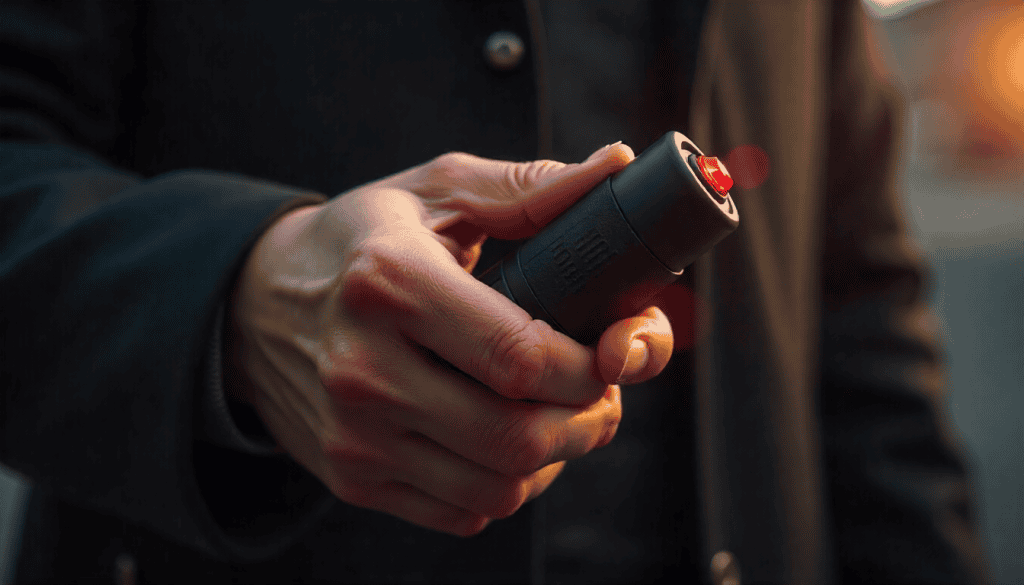
- Pepper spray or pepper guns
- Flashlights or strobe lights
- Mobile phone emergency apps
6. Educate Family or Friends
Teens, seniors, or anyone carrying an alarm should know how it works, when to use it, and what to do afterward. Quick action is critical for safety. By keeping your personal alarm accessible, practicing activation, and using it proactively, you increase your chances of escaping a dangerous situation safely.
What to Look for When Buying a Personal Alarm
- Decibel rating: Aim for 110 dB or higher for crowded/urban areas.
- Activation type: Choose what you can access fastest (pull‑pin vs button).
- Battery & reliability: Rechargeable models are convenient; replaceable battery models require periodic checks.
- Size & carry options: Keychain, clip, strap, or compact fob — pick what you’ll actually carry daily.
- Extra features: LED/strobe lights, GPS location, app integration, or a built‑in power bank (bonus).
- Durability: Water-resistant and shock-resistant designs last longer in real life.
Top Use Cases (Real-Life Scenarios)
- Late-night walks / returning to parked cars — instant deterrent in parking lots.
- College campuses — quick alert if followed between buildings.
- Senior falls / confusion — alarms with motion sensors or GPS can summon emergency help.
- Solo travel — small, lightweight backup when traveling in unfamiliar areas.
- Dating safety — discrete tool that calls attention without escalating a situation.
Maintenance & Best Practices
- Test monthly — make sure it sounds and batteries are charged or fresh.
- Replace batteries before long trips or at recommended intervals.
- Keep dry & clean — wipe off dirt and avoid submersion unless rated water-resistant.
- Store spares — keep an extra alarm in a bag or glove compartment.
- Educate users — especially teens and seniors — on when and how to use it.
Legal & Safety Notes
- Generally legal: most jurisdictions classify personal alarms as non‑lethal emergency alert devices.
- Check transport rules: alarms are usually allowed on flights in carry‑on luggage, but verify airline policies for smart devices with batteries.
- Use responsibly: alarms are designed to draw attention and enable escape — not to confront or incapacitate.
Why Choose My Self Defense Alarms
At My Self Defense we curate personal safety alarms selected for loudness, reliability, and real-world usability. Our recommended models are ideal for beginners and come with clear instructions, easy activation, and customer support so you’ll always feel confident using them. We also offer bundle deals (alarm + pepper spray or alarm + personal alarm + LED) tailored for teens, women, and seniors.
Call to action: Browse our hand‑picked personal alarms and starter safety kits at My Self Defense — built for confidence and convenience.
FAQs About Personal Alarms for Self‑Defense
Q: How loud should a personal alarm be?
A: Look for 110 dB+ for urban environments; 100–110 dB may work in quieter areas.
Q: Can seniors trigger the alarm accidentally?
A: Choose a model with a secure activation (pull‑pin with cover or recessed button) to reduce accidental triggers.
Q: Will a personal alarm get an attacker to leave?
A: Often yes — the loud, unexpected sound draws attention and typically causes assailants to flee or hesitate, giving you time to escape.
Q: Should I carry an alarm with pepper spray?
A: Yes — pairing auditory alert with physical deterrent increases your options and safety.